Fleet cost analysis for UK van fleet managers
Written by people who have worked in UK fleet ops and telematics consultancy. Topics: pence-per-mile TCO calculation, residual depreciation timing, telematics abuse flag interpretation, fuel card audit methodology, and Operator Licence R&M obligations — the things that actually determine what your fleet costs to run.

Why VRM-level cost reporting changes how you manage a 200-vehicle van fleet
Fleet averages give you a temperature reading. VRM-level reporting gives you a diagnosis. Here is what changes operationally when you can see that three of your vehicles account for 40% of your total R&M spend — and why you cannot find that in a fleet average report.

Operator licence and R&M: what your maintenance records actually need to show
Holding an Operator Licence means more than passing the original Traffic Commissioner assessment. Ongoing R&M record-keeping — service intervals, brake inspections, defect reporting — is part of continuous compliance. This is what the DVSA expects to see if they pull your records.

Fuel card audit for van fleets: catching the quiet leaks in your fuel spend
Fuel card misuse in van fleets rarely looks like obvious fraud. It looks like 11% higher fuel spend on three routes that cross the same depot.

What telematics abuse flags actually mean for your maintenance costs
Cold-start over-revving, excessive idling, harsh braking events. Telematics systems flag these from the CAN bus — but most fleet reports aggregate them into a driver score rather than linking them to the vehicle's R&M cost trajectory. Here is why that matters for your brake pad and clutch cycles.
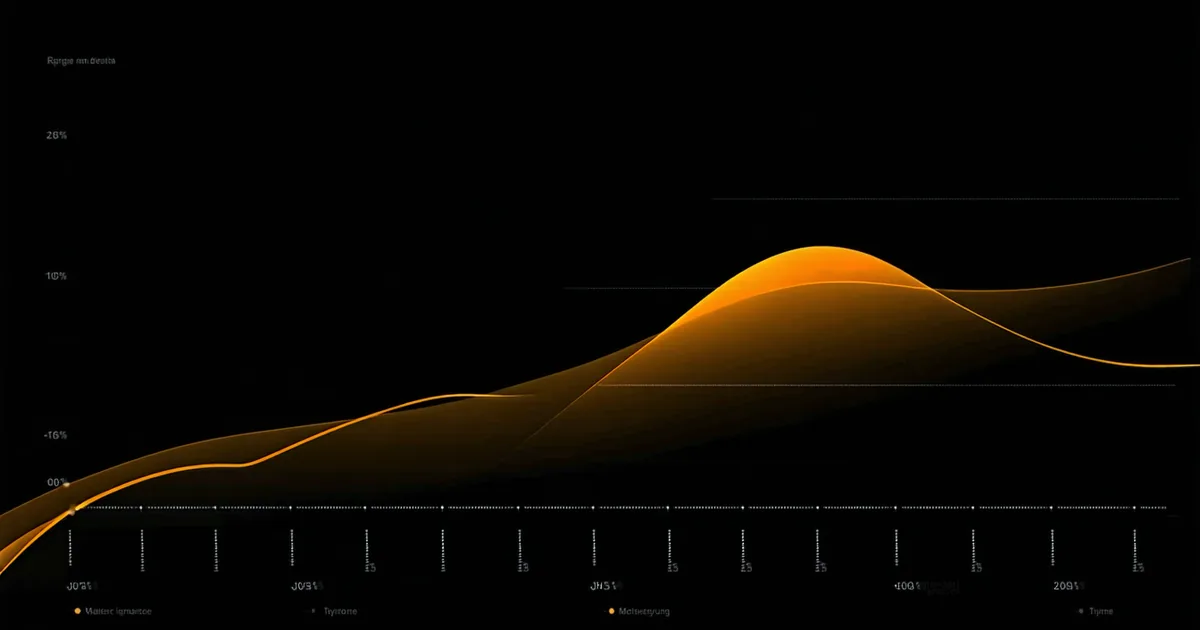
Residual value depreciation in UK van fleets: when to hold, when to dispose
Depreciation curves are not linear, and the cost inflection point for a three-year-old Ford Transit is not the same as a five-year-old Vauxhall Vivaro.

The plain-English guide to per-mile TCO for UK van fleet managers
Most fleet reports show you an average pence-per-mile figure across your whole fleet. Here is why that number is nearly useless for cost control — and what to measure instead.